
turismo ·
Responsible tourism at the Triple Frontier: the rules with law behind them
Marco Três newsroom · edited by Annie GrellmannUpdated on EspañolPortuguês
Feeding coatis is an environmental offence and drones are banned in both parks
Much of what is written about responsible tourism is generic advice. Here, three rules have regulation behind them: feeding wildlife is an offence under Decree 6,514/2008, drones are banned in Iguaçu National Park by ICMBio Ordinance 956 and on the Argentine side by Law 22,351, and every Falls ticket includes R$ 3 for the Iguaçu Fund.
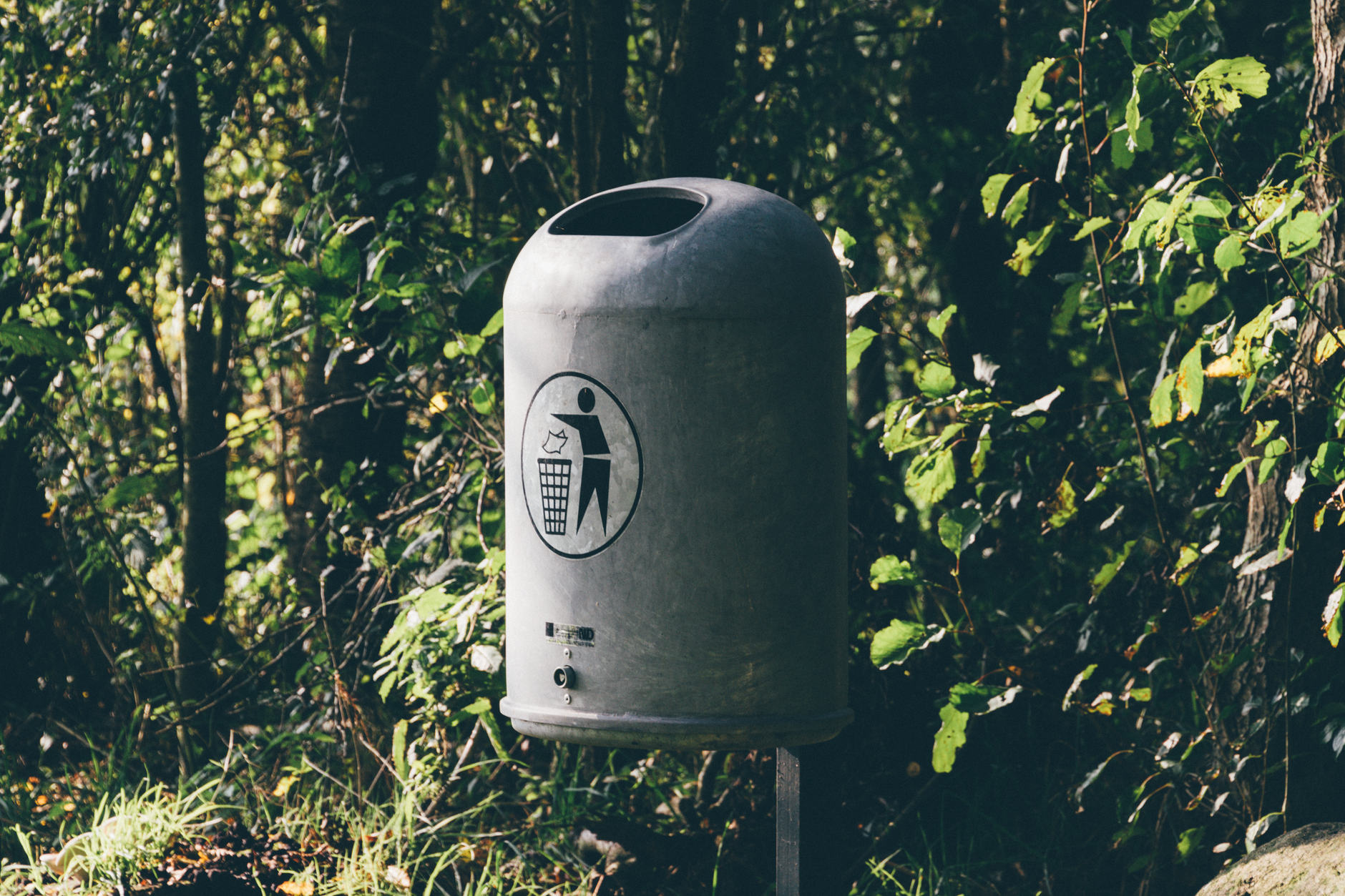
Direct answer: Three rules here have regulation behind them, and are not generic advice: feeding wildlife is an offence under Decree 6,514/2008, drones are banned in Iguaçu National Park (ICMBio Ordinance 956) and on the Argentine side (Law 22,351), and every Falls ticket includes R$ 3 for the Iguaçu Fund.
Wildlife: the most common and most expensive mistake
The coati is the central character. It comes close, looks tame, and feeding it seems harmless. It is not:
- It is an environmental offence, under Decree 6,514/2008.
- It makes the animal ill, swapping a natural diet for processed food.
- It injures people. Coati scratches send visitors to the first-aid post every month, because the animal associates backpacks with food.
Food sealed, backpack closed, nothing in your hand. Detail in coatis at Iguazu Falls.
Drones: banned on both sides
On the Brazilian side, ICMBio Ordinance 956 restricts drone use in conservation units without prior authorisation. On the Argentine side, Law 22,351 on national parks carries an equivalent restriction. This is not bureaucracy: the noise affects wildlife, and recovering a crashed drone inside dense forest is difficult. The detail is in can I bring a drone to Iguazu Falls.
What you already pay towards conservation
Every Falls ticket includes R$ 3 as a contribution to the Iguaçu Fund, added to the ticket price: the full ticket is R$ 131 plus R$ 3, and the Brazil and Mercosur rate is R$ 118 plus R$ 3. It is the only item in the itinerary where conservation appears as a separate line. See Iguazu Falls tickets.
The impact nobody sees
Wildlife roadkill. The roads crossing the forest, particularly the RN 12 on the Argentine side, kill wild animals all year round. Some of the animals living at the Güirá Oga refuge arrived exactly that way, and many can never be released. Visiting the refuge is the most direct way to understand the problem: Güirá Oga.
In practice, for visitors: drive slowly on forest stretches, especially at dawn and late afternoon.
The choices that actually matter
- Public transport. Line 120 reaches the park gate for R$ 5 and takes one car off the road: bus to the Falls.
- Official trails. Stepping off the walkway risks you and damages the ground.
- Legal shopping. The duty-free allowance exists and is enforced; working it out in advance avoids seizures and irregular trade: allowance calculator.
- Water and waste. A reusable bottle covers a full day on the trails.
Sources: Decree 6,514/2008 (environmental offences); ICMBio Ordinance 956 (drone use in conservation units); Law 22,351 (Argentina's national parks); Urbia Cataratas price table (Iguaçu Fund).
Frequently asked questions
- Can I feed the coatis in the park?
- No. Feeding wild animals is an environmental offence under Decree 6,514/2008, and the park runs its own campaign about it. Beyond the fine, the habit makes the animals ill and increases accidents with visitors.
- Can I fly a drone at Iguazu Falls?
- No. On the Brazilian side, ICMBio Ordinance 956 prohibits use in conservation units without authorisation, and on the Argentine side Law 22,351 on national parks has an equivalent restriction.
- Does part of the ticket go to conservation?
- Yes. The Falls ticket includes R$ 3 as a contribution to the Iguaçu Fund, added to the price: the full ticket is R$ 131 plus R$ 3, and the Brazil and Mercosur rate is R$ 118 plus R$ 3.
- What impact do visitors least notice?
- Wildlife roadkill on the roads crossing the forest, especially the RN 12 on the Argentine side. Some of the animals at the Güirá Oga refuge arrive exactly that way.
Still have questions? Ask the border
Marco Três's AI answers instantly, only from verified guides and live data, never made up.
Ask my own question →Read also
Live tools
Saiba de tudo antes de todo mundo
Câmbio, clima e o que importa nos três países, no seu e-mail, todo dia. Gratuito, sem spam.
✓ Marco Três fact-check
Content verified by the newsroom based on an official source: Decreto 6.514/2008 · Portaria ICMBio 956 · Ley 22.351 · Urbia Cataratas. Last checked: 6/14/2026. Found something inaccurate? We fix it fast. How we work.
Spotted something wrong? Tell us.
AI-automated curation with editorial supervision, your correction or suggestion helps keep things right.