
economia ·
Where to change money at the border, and where reais are accepted
Marco Três newsroom · edited by Annie GrellmannUpdated on EspañolPortuguês
The old advice about bringing dollars for Argentina's blue rate has stopped paying off, and we can show it
For years the rule was to bring cash dollars for Argentina's parallel rate. We track that gap daily, and it has all but disappeared. That changes what is worth doing.
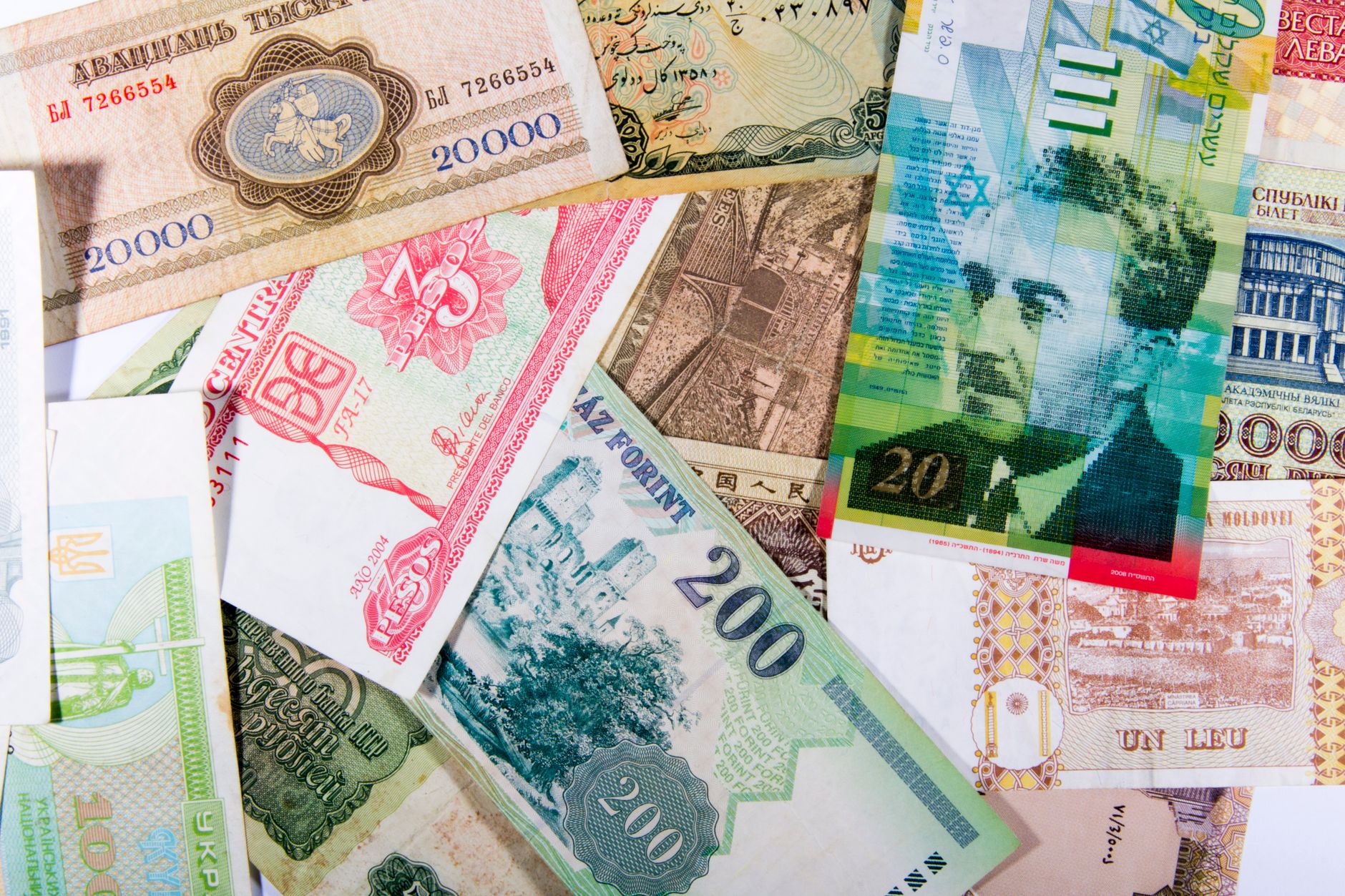
Direct answer: In Ciudad del Este the Brazilian real is accepted in almost every shop, and Pix is spreading fast. In Puerto Iguazú many tourist businesses take reais, but pesos are more practical for taxis and small shops. And note what changed: Argentina's blue dollar is no longer a good deal. In our reading on 11 September 2026, the blue stood at 1,540 against 1,535 official, a gap of 0.3%.
What changed: the blue gap is now tiny
For many years the advice was the same: bring cash dollars and change them on the parallel market, because the gap against the official rate paid for the trip.
We track that gap daily. Over the past two weeks it has run between 0.3% and 1.6%:
| Date | Blue | Official | Gap |
|---|---|---|---|
| 11/09/2026 | 1,540 | 1,535 | 0.3% |
| 08/09/2026 | 1,545 | 1,530 | 1.0% |
| 04/09/2026 | 1,540 | 1,530 | 0.7% |
| 31/08/2026 | 1,555 | 1,530 | 1.6% |
At that scale, carrying cash dollars purely to catch the parallel rate has stopped paying off: the gain does not cover the risk of carrying cash or the spread on two exchanges.
This could shift again, which is why the measurement stays live: see the live exchange rates.
Where reais are accepted
- Ciudad del Este (Paraguay): almost every shop takes cash reais, and more and more accept Pix. On larger purchases, paying in reais or dollars usually works out better than converting to guaraníes on the spot.
- Puerto Iguazú (Argentina): many tourist businesses accept reais, but the rate applied varies from shop to shop. For taxis, buses and small shops, pesos are more practical.
The cost nobody shows you: the spread
Exchange offices do not charge a visible fee. They earn on the gap between what they pay for your currency and what they charge to sell it.
In the reading on 11 September 2026 at an exchange house in Ciudad del Este, the real was bought at 1,140 and sold at 1,165 guaraníes. The gap between the two sides is around 2.2%, and that is the real cost of the transaction. The Argentine peso showed at 3.65 buy and 3.85 sell.
Hence the practical rule: change once, for the right amount. Every round trip through a currency eats that spread again.
Where to change
- Exchange offices at the bridge heads, on both sides. Compare: rates move through the day.
- In central Ciudad del Este, exchange houses usually offer a better guaraní rate than those at the bridge.
- Avoid the airport, where rates are consistently worse.
Cash, card or Pix
| Method | When it works | Watch out |
|---|---|---|
| Cash (reais or dollars) | Large purchases in CDE, where you can haggle | The exchange spread and the risk of carrying cash |
| International card | Established shops and restaurants | Check the rate your bank applies |
| Multi-currency account | General use, usually a better rate than a card | Must be set up before the trip |
| Pix | Increasingly accepted in Paraguay | You pay in reais and the merchant receives guaraníes |
Before crossing, check the live bridge queue.
Sources: Marco Três's own exchange-rate series (dollar, guaraní, peso and Argentina's blue dollar) · counter rates from an exchange house in Ciudad del Este · verified 11/09/2026.
Frequently asked questions
- Is it still worth bringing dollars for Argentina's blue rate?
- Not as it used to be. In our reading on 11 September 2026 the blue stood at 1,540 against 1,535 official, a gap of 0.3%, and over the previous two weeks it ran between 0.3% and 1.6%. At that scale the gain does not cover the risk of carrying cash or the spread on two exchanges.
- Are Brazilian reais accepted in Ciudad del Este?
- Yes, in almost every shop, in cash, and more and more businesses accept Pix. On larger purchases, paying in reais or dollars usually works out better than converting to guaraníes on the spot.
- And in Puerto Iguazú?
- Many tourist businesses accept reais, but the rate applied varies from shop to shop. For taxis, buses and small shops, Argentine pesos are more practical.
- What does changing money at an exchange house cost?
- The cost is in the spread, the gap between the buy and sell rates. In the reading on 11 September 2026 at an exchange house in Ciudad del Este, the real was bought at 1,140 and sold at 1,165 guaraníes, a gap of around 2.2%. That is why it pays to change once, for the right amount.
- Where should you avoid changing money at the border?
- The airport, where rates are consistently worse. Prefer the exchange offices at the bridge heads or in central Ciudad del Este, comparing first, because rates move through the day.
Still have questions? Ask the border
Marco Três's AI answers instantly, only from verified guides and live data, never made up.
Ask my own question →Read also
Live tools
Saiba de tudo antes de todo mundo
Câmbio, clima e o que importa nos três países, no seu e-mail, todo dia. Gratuito, sem spam.
✓ Marco Três fact-check
Content verified by the newsroom based on an official source: Série própria Marco Três de câmbio (dólar, guarani, peso e dólar blue argentino) · cotação de balcão de casa de câmbio de Ciudad del Este. Last checked: 6/14/2026. Found something inaccurate? We fix it fast. How we work.
Spotted something wrong? Tell us.
AI-automated curation with editorial supervision, your correction or suggestion helps keep things right.