
turismo ·
Exhibition on giant otters at Parque das Aves in Foz do Iguaçu
Português →Español →Español →Español →Español →
Marco Três newsroom · edited by Annie Grellmann
August 17 activity raises awareness about river conservation and the species
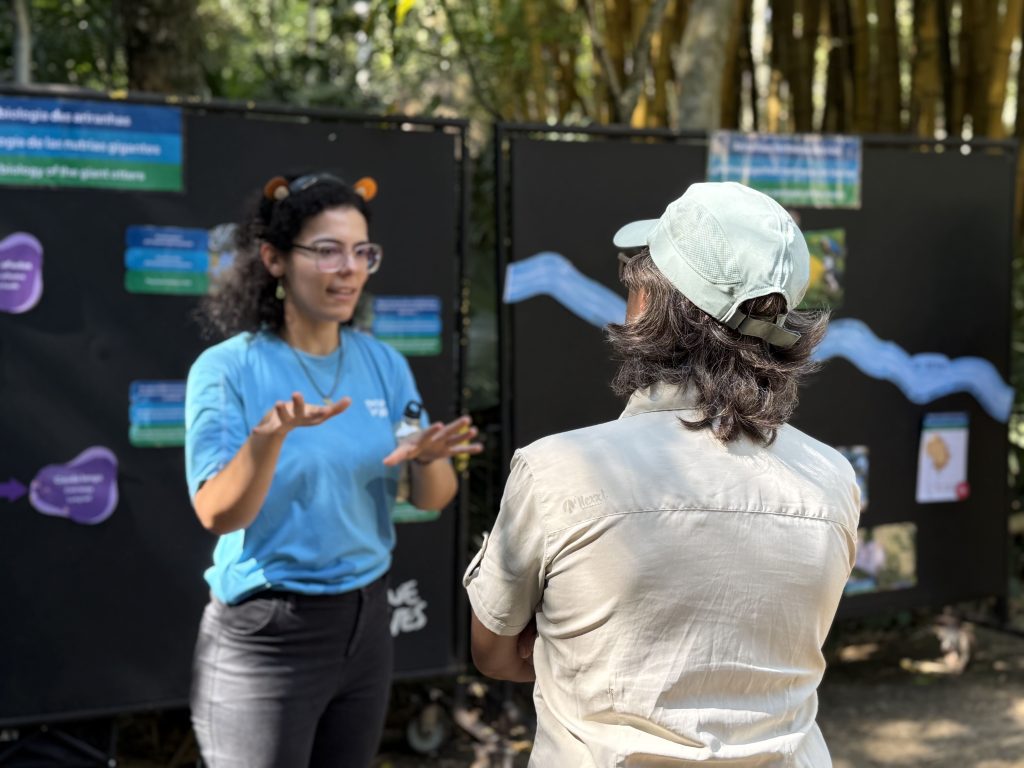
Parque das Aves presented on August 17 the exhibition "Giant Otters: Sentinels of the Rivers", held along the visitor trail in Foz do Iguaçu. The educational action covered the characteristics, behavior, diet and conservation status of the giant otter (Pteronura brasiliensis), a mammal that historically inhabited the Atlantic Forest.
What is the giant otter
The giant otter, also called the river wolf or giant otter, is a semi-aquatic mammal exclusive to South America. It is the largest of the 13 otter species worldwide. Its elongated body, robust tail and webbed feet give it great agility in the water.
These otters live in family groups and communicate with distinct vocalizations to maintain social organization. They feed mainly on fish, relying directly on rivers, lakes and other aquatic habitats to survive.
Why they are called river sentinels
The exhibition name reflects the species' ecological role. Because they depend on healthy aquatic ecosystems, the presence of giant otters indicates the condition of the rivers where they live. Protecting the species also means protecting water quality and the associated biodiversity.
Some birds take advantage of prey remains left by the otters or forage in areas used by them, illustrating these ecological connections.
Current and historical distribution
Today, the main populations are concentrated in the Amazon and the Pantanal. Historically, however, the species also occurred in the Atlantic Forest, including areas of the Paraná River basin and the surroundings of Parque Nacional do Iguaçu. It is now considered extinct in that biome.
Threats and conservation
The species faces population fragmentation, reduced connectivity between groups and impacts from human activities on aquatic environments. Conserving giant otters also means conserving water and the ecosystems that depend on it.
The exhibition was developed by Parque das Aves in collaboration with the Associação de Zoológicos e Aquários do Brasil (AZAB) and the Projeto Ariranhas. The activity allowed visitors to understand the relationship between the species and aquatic habitats, and to reinforce why acting before a population disappears is essential.
Source: Parque das Aves
https://www.parquedasaves.com.br/blog/exposicao-ariranhas
Frequently asked questions
Still have questions? Ask the border
Marco Três's AI answers instantly, only from verified guides and live data, never made up.
Ask my own question →Read also
Live tools
Saiba de tudo antes de todo mundo
Câmbio, clima e o que importa nos três países, no seu e-mail, todo dia. Gratuito, sem spam.
✓ Marco Três fact-check
Content verified by the newsroom based on an official source: Parque das Aves. Last checked: 8/18/2026. Found something inaccurate? We fix it fast. How we work.
Spotted something wrong? Tell us.
AI-automated curation with editorial supervision, your correction or suggestion helps keep things right.