
Carregando…
Foz do Iguaçu · Ciudad del Este · Puerto IguazúSunday, October 4, 2026US dollar R$ 5,22₲1.000 R$ 0,89$1.000 R$ 3,43Foz now 20°C storm
Foz do Iguaçu · Ciudad del Este · Puerto IguazúSunday, October 4, 2026US dollar R$ 5,22₲1.000 R$ 0,89$1.000 R$ 3,43Foz now 20°C storm
Verified guides
144 guides on visiting and living the Triple Frontier, organised by theme. Each opens with the direct answer, cites its source and carries the date it was last checked.
both sides, tickets, trails and adventure · 16

The Cataratas International Tourism Festival is the region's largest tourism fair and one of the biggest in Latin America. The…

The ride worth the trip is inside the National Park: the Falls cycleway and the 9 km Poço Preto path can be done by bike and are…

The Argentine park sits 18 km from Puerto Iguazú, opens at 8:00 and closes at 18:00, with last entry around 16:00. Foreign…

Beyond the Falls trail, the Brazilian park has forest paths already covered by your ticket: Poço Preto, Bananeiras, the Falls…

Iguaçu Canyon is the adventure centre inside Iguaçu National Park, run by Campo de Desafios. Its signature is a 55-metre…

The indigenous legend says the serpent-god Mboi tore the earth and created the Falls to separate Naipi and Tarobá. When they meet…

The Devil's Throat, on the Argentine side, has been closed since August 3, 2026: the park removed the walkways as a precaution…

In both national parks recreational use is banned, and permits are effectively never granted to tourists. Outside them you can…

Want the whole falls in one frame? Stay on the Brazilian side. Want to get close to each cascade? Cross to the Argentine side.…

Arriving at Iguazu Falls with a suitcase, a backpack and a phone almost out of battery? Good news: both parks, the Brazilian and…

Yes, both parks open every day. The Brazilian walkway, closed on 11 September 2026 by the flood, reopened on 15 September and no…

On the Argentine side, you reach the Devil's Throat (Garganta del Diablo) on the Rainforest Ecological Train, whose use is already…
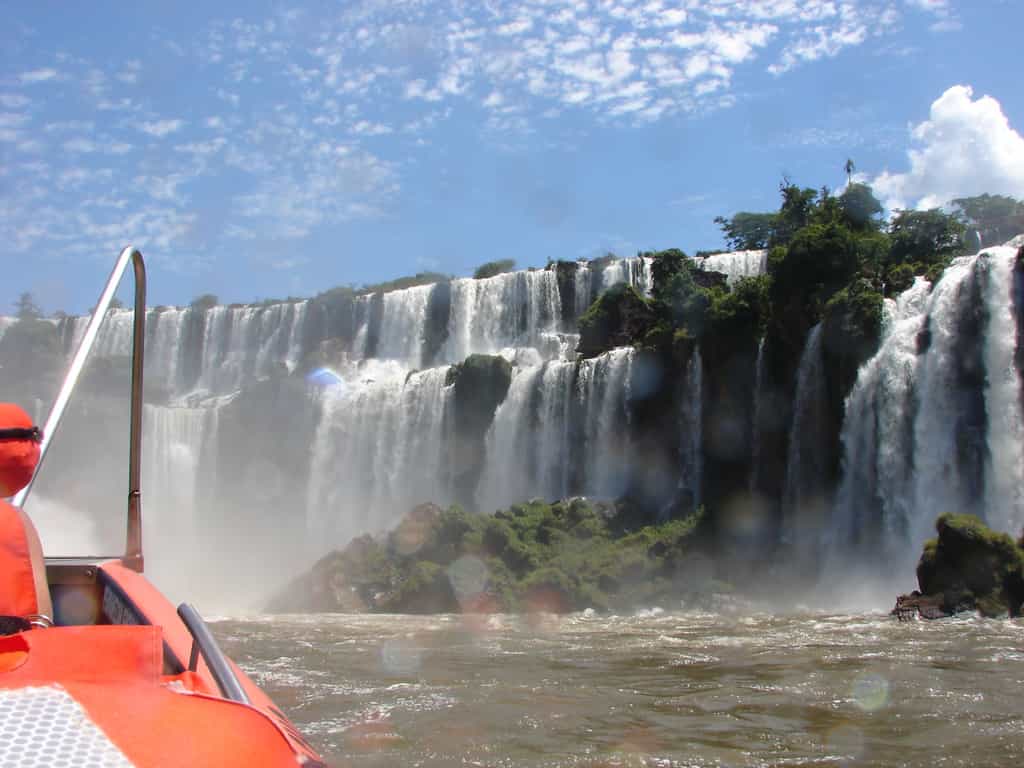
Gran Aventura is the Argentine side's boat trip: about 5 km of 4x4 trail through the Misiones rainforest and about 6 km of…

It costs R$384, comes in three stages and soaks you completely. The rule that surprises people is the half-price one, which…
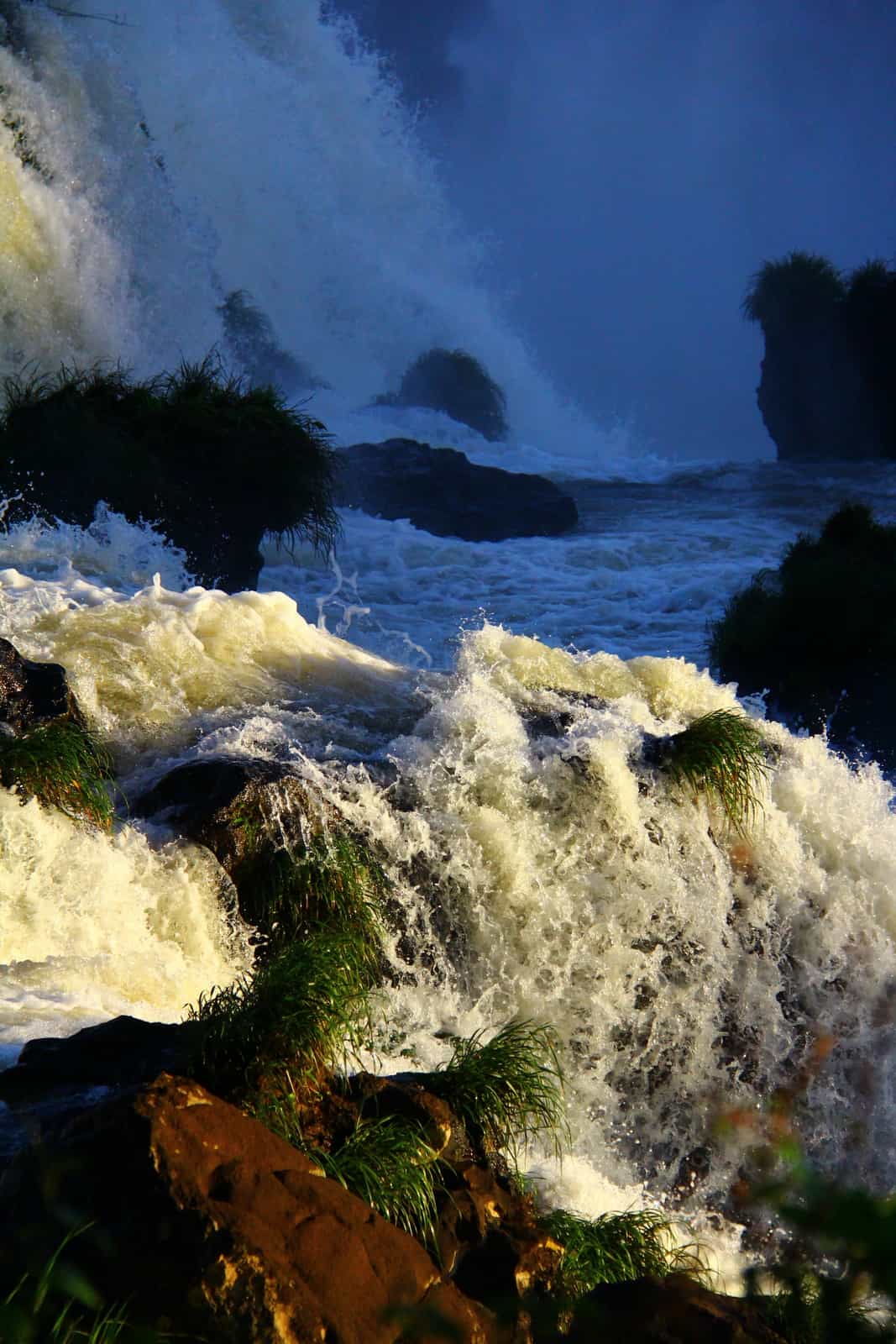
Because they are a UNESCO World Heritage site in both countries, one of the Seven Natural Wonders, and around 275 waterfalls…

It is not a choice, it is an order. The Brazilian side delivers the panorama in half a day and the Argentine side needs a full…
how many days, best season and what to do · 19

Sunday morning in Foz means the Feirinha da JK, 7am to 1pm on Avenida Juscelino Kubitschek, for pastel fried to order and…

If your criterion is avoiding crowds, the answer is not opinion: it is May and June. We measured monthly visitor numbers since…

In 2027, Brazil has 14 national holidays, Argentina 16 and Paraguay 12. See the full calendar for all three countries and the long…

Arrive right at opening to hit the smallest crowd: the Brazilian side opens at 9am on weekdays and 8:30am on weekends; the…

The coati has become a star of the Iguazu Falls trails, on both sides of the border. Cute, clever and bold, it has learned that a…

The Ice Bar in Foz do Iguaçu, officially the Dreams Ice Bar, is a bar built entirely of ice inside the Dreams Park Show complex on…

What to do in Foz do Iguaçu? Start with the Iguaçu Falls on the Brazilian side of the National Park: the number-one attraction.…

Dreams Park Show is an entertainment complex on Av. das Cataratas in Foz do Iguaçu, Brazil, gathering five attractions in one…
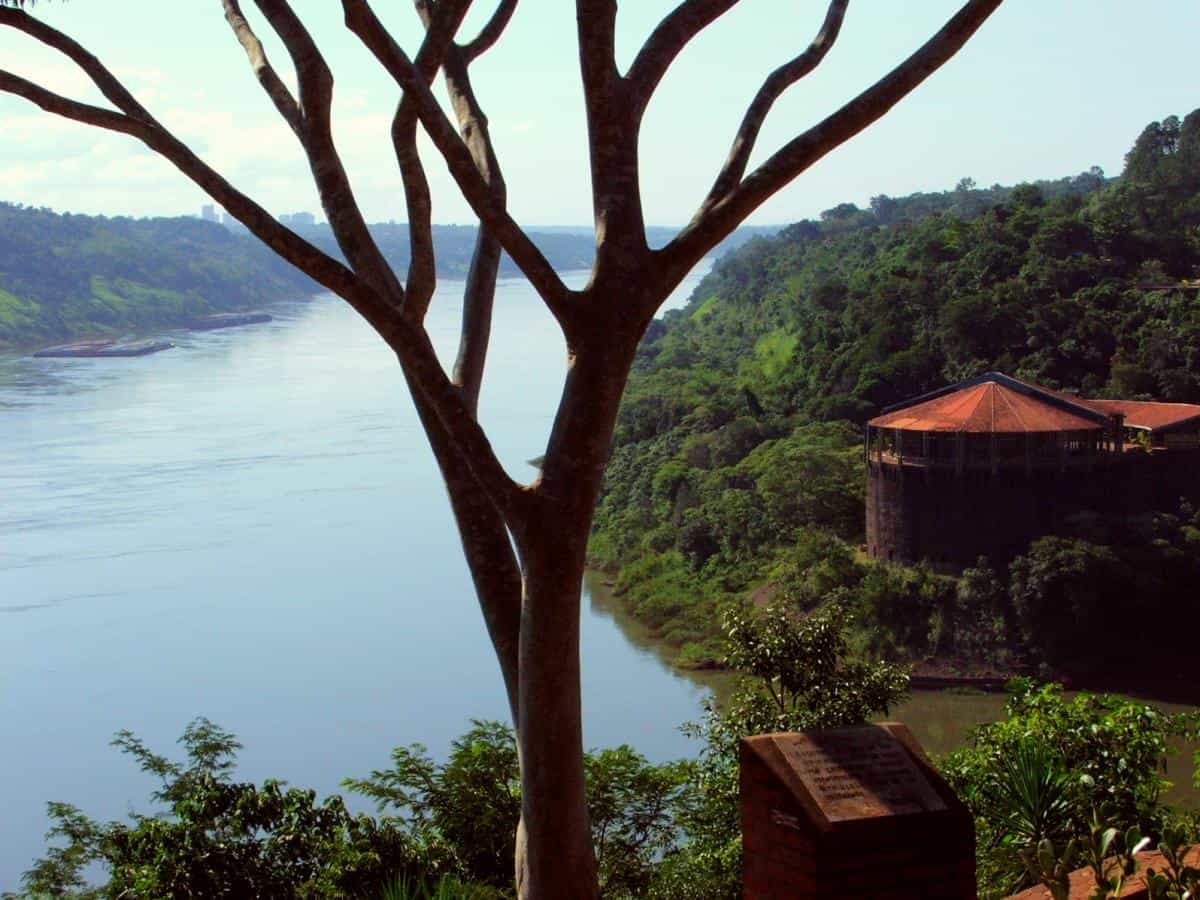
Yes, and the itinerary fits in a day as long as you pick one side to visit properly. What breaks the plan is trying the Argentine…

With 4 to 7 days in Foz do Iguaçu you can do both sides of the Falls without rushing and still add the full Itaipu complex, a…

Rain does not close Iguazu Falls. The park opens every day and the walkways keep running, with more water and more rainbows. What…

Two days is the ideal amount of time to enjoy the Argentine side without rushing: on Day 1 you cover the Upper Circuit, the Lower…

The family itinerary here runs into two age rules nobody warns you about: children up to 6 enter the National Park free, and…

Night in Foz happens outside the falls: the National Park closes at 17:30 and does not open after dark. What works in the evening…

The Brazilian side takes half a day. The Argentine side needs a full one. They are parks of very different scale, and confusing…

One day covers the Brazilian falls plus Parque das Aves and sunset at the Landmark. Two days open room for the whole Argentine…

There is no time difference between Foz do Iguaçu, Ciudad del Este and Puerto Iguazú. Paraguay fixed a single year-round clock in…

The boardwalk soaks you even on a sunny day, and when the river runs high the spray gets far denser. What you bring changes the…

Add up the time each attraction takes and the answer appears: two days is the minimum, because the two sides of the falls alone…
airport, buses, bridges and ride apps · 20

You can cross the border on regular buses: Foz ↔ Puerto Iguazú (Crucero del Norte / Río Uruguay, about hourly, 7 am-7 pm) and Foz…

Line 120 (Parque Nacional) leaves from the urban bus terminal, stops at the airport and ends at the Iguazu Falls Visitor Centre.…

Budget accommodation in Foz clusters downtown, around the city bus terminal. Staying there cuts two bills at once: the room and…

The Integration Bridge has been open to cars since 14 September 2026, but only for residents of the four border cities, 7am to…

The most practical way is on foot: take a bus, taxi or app to the Friendship Bridge, cross the 550 metres in about 15 minutes on…

You reach Foz do Iguaçu by plane through Cataratas International Airport (IGU/SBFI), about 13 km from downtown. Gol, Latam and…

On weekdays, cross after 8:30 pm: in Guia 3 measurements from July 2026, the Foz → Puerto Iguazú crossing adds 30 to 39 minutes…

To travel by motorhome or trailer through the Triple Frontier, bring the vehicle document (CRLV), the Mercosur Green Card…

The Monday Falls are a set of waterfalls on the Monday River in Presidente Franco (Paraguay), neighboring Ciudad del Este and…

A child travelling with both parents crosses on ID alone. With one parent, the other must authorise; alone or with a third party,…

The park sits about 17 km from central Puerto Iguazú and the bus leaves from the terminal. The detail that ruins the day is last…

Foz do Iguaçu has a city bus with a flat fare of R$ 5.00 and free transfers within 90 minutes for those using the Cartão Único…
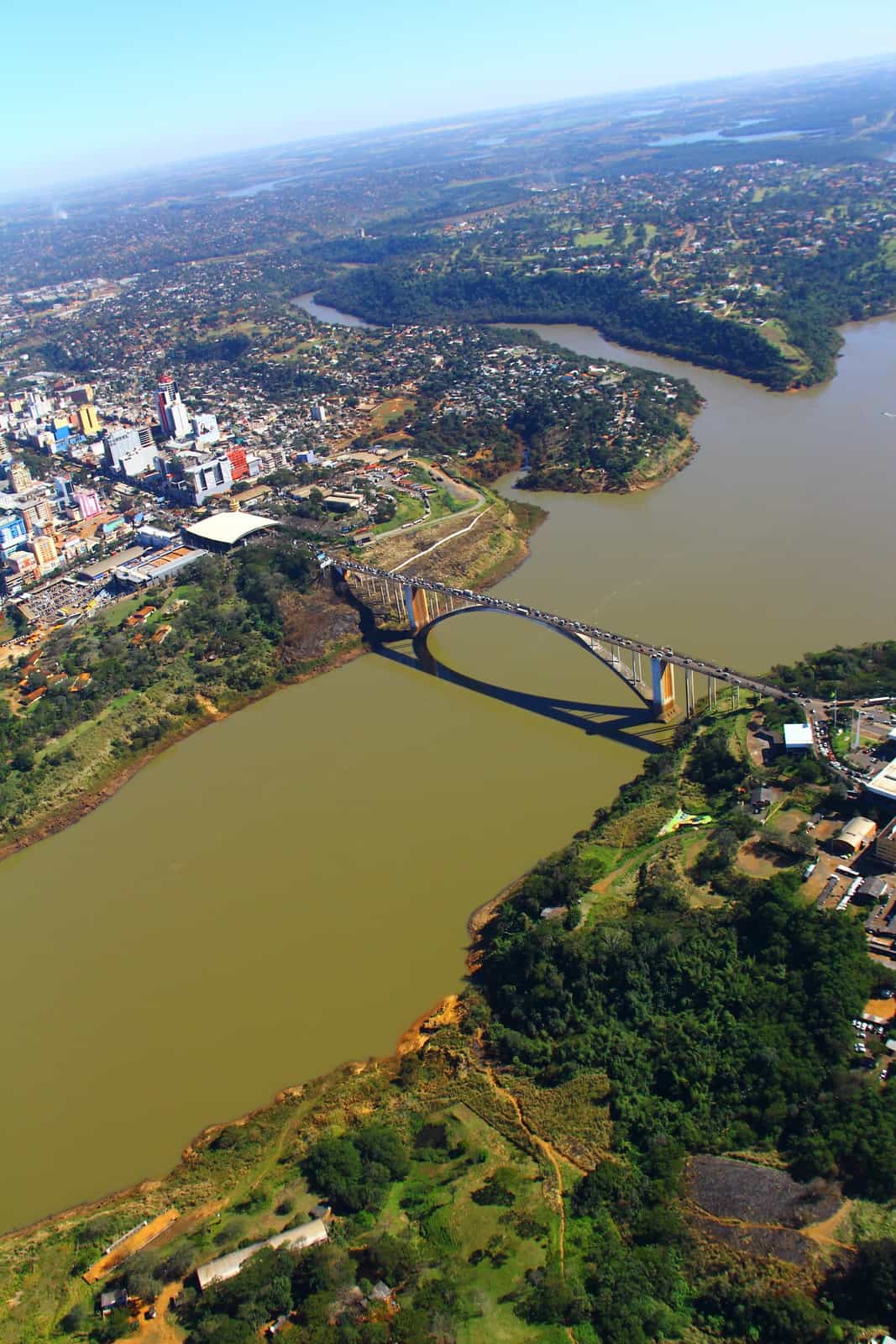
The quiet windows are 7 to 9am, when Paraguayan shops open, and after 3pm. Avoid 10am to 1pm, and the late afternoon heading back…

The answer is neither yes nor no: it depends where you rent. The national chains forbid it by contract, and the local Foz agencies…

The cheapest option is the line 120 Parque Nacional city bus at R$5, linking the airport to the TTU downtown. A shared transfer…

Uber and 99 work normally in Foz do Iguaçu, but no app crosses the border. Bolt and MUV operate in Ciudad del Este; in Puerto…
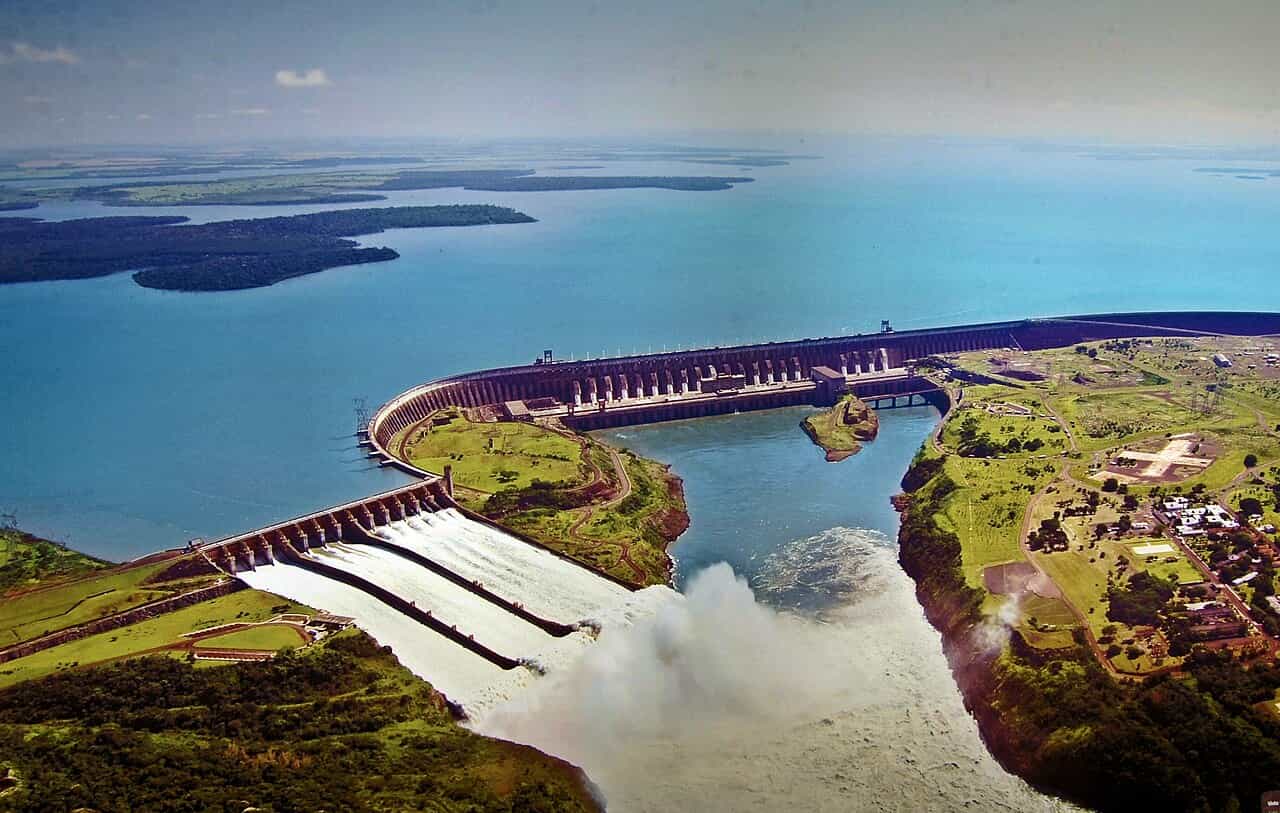
The Itaipu Tourist Complex (CTI) is based at the Visitor Reception Center (CRV), at Av. Tancredo Neves, 6702 - Jardim Itaipu, Foz…

Parking is charged separately from admission at almost every attraction in Foz, and a day covering both the falls and Itaipu runs…

The panoramic flight over Iguazu Falls costs R$ 685 per person and lasts about 10 minutes. It departs from the Helisul helipad at…
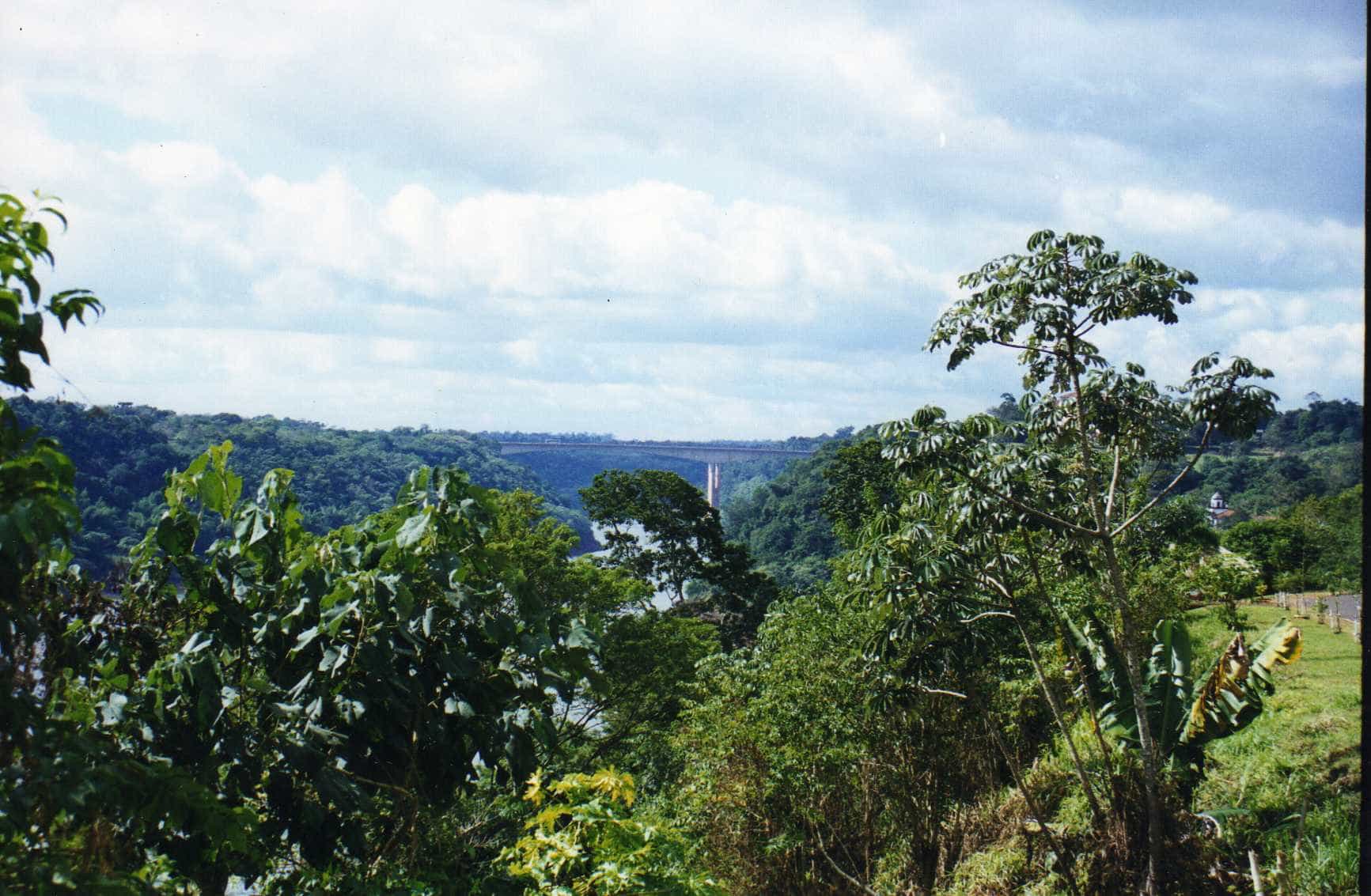
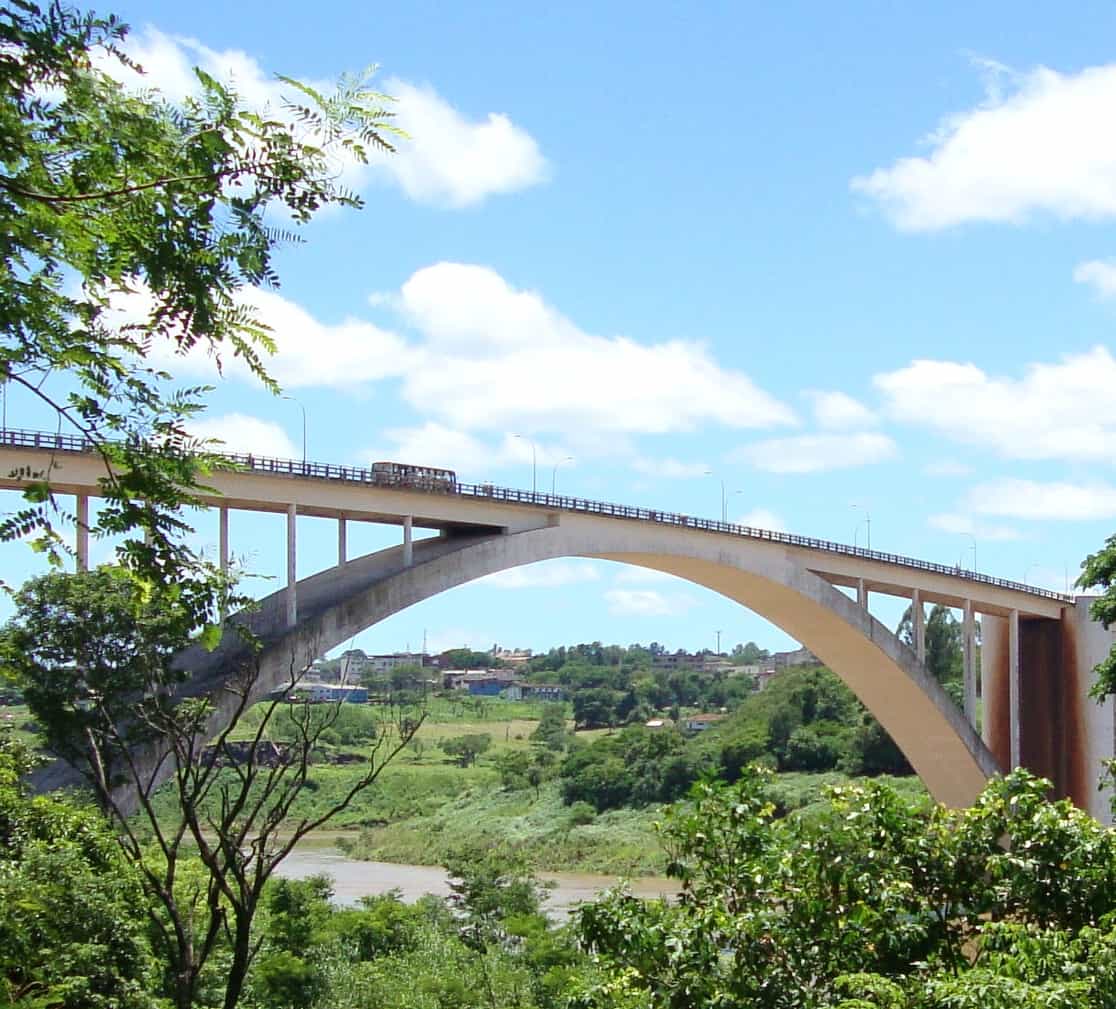
The international bus leaves the TTU terminal in central Foz hourly and reaches central Puerto Iguazú in about 30 minutes, plus…
what is worth it, how much you can bring, where · 12

In Paraguay there are two iPhone versions: the Chinese (model A), cheaper and with two physical SIMs, and the American (LL), more…

Ciudad del Este's Black Friday 2026 runs November 19-22, in its 16th edition, with 20% to 70% discounts and extended hours.…

Apple announced the iPhone 18 Pro, Pro Max and the foldable iPhone Duo on September 9, 2026. In Brazil the Pro costs R$ 11,999 and…

Bringing medicine from Paraguay for personal use is allowed and needs no prior authorisation, but it remains subject to…
Buying is legal in Paraguay. Crossing the bridge with it is not. Anvisa bans importing e-cigarettes even for personal use and in…

Puerto Iguazú does not compete with Ciudad del Este on electronics, and does not try. What is worth buying there is Argentine food…

Foz do Iguaçu has two big shopping malls: Cataratas JL Shopping, downtown (Av. Costa e Silva), and Shopping Catuaí Palladium, on…

In Ciudad del Este, electronics (phones, headphones, accessories) and imported perfumes/cosmetics are usually the categories most…

It sits in Argentine territory, so what you buy there counts against the same US$500 land allowance. It is not an extra allowance,…
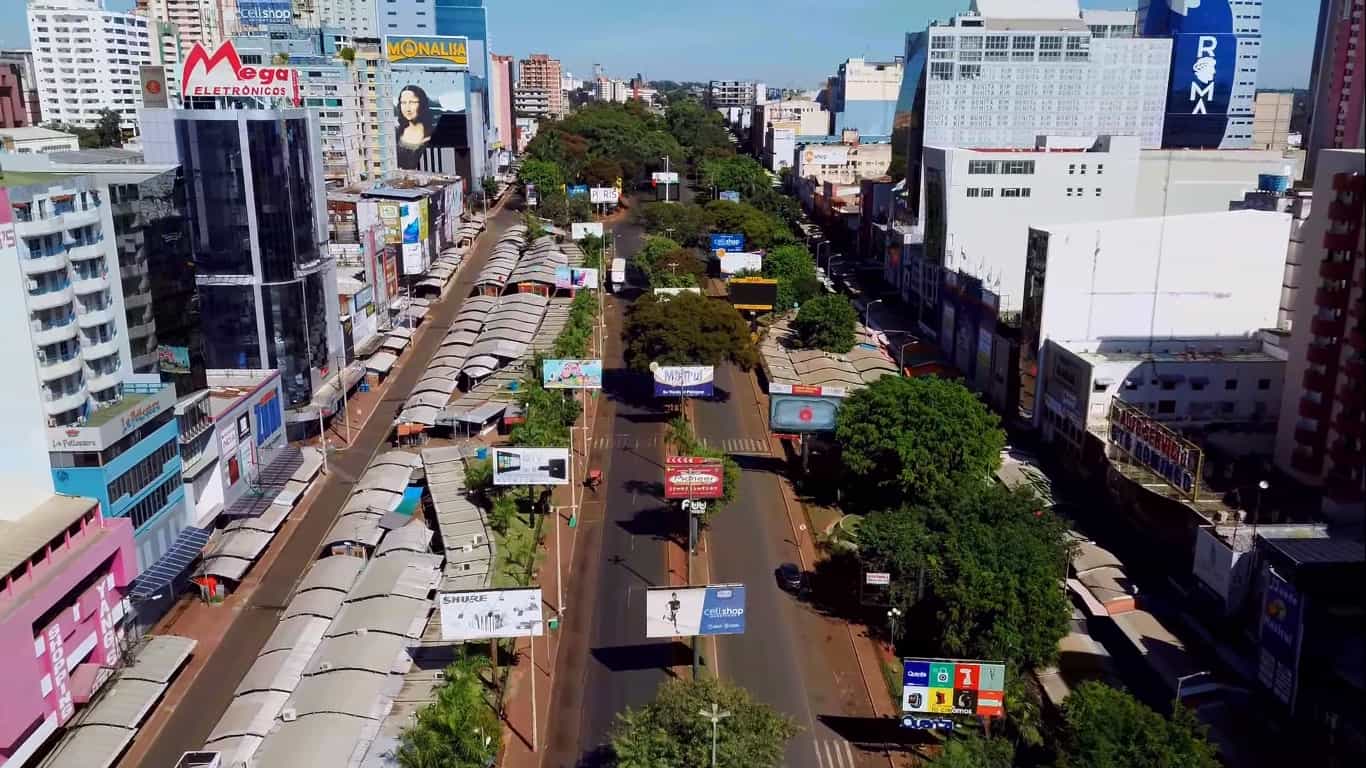
Phones and iPhones are usually cheaper in Ciudad del Este, but they count toward the US$500 per-person land allowance, usable once…
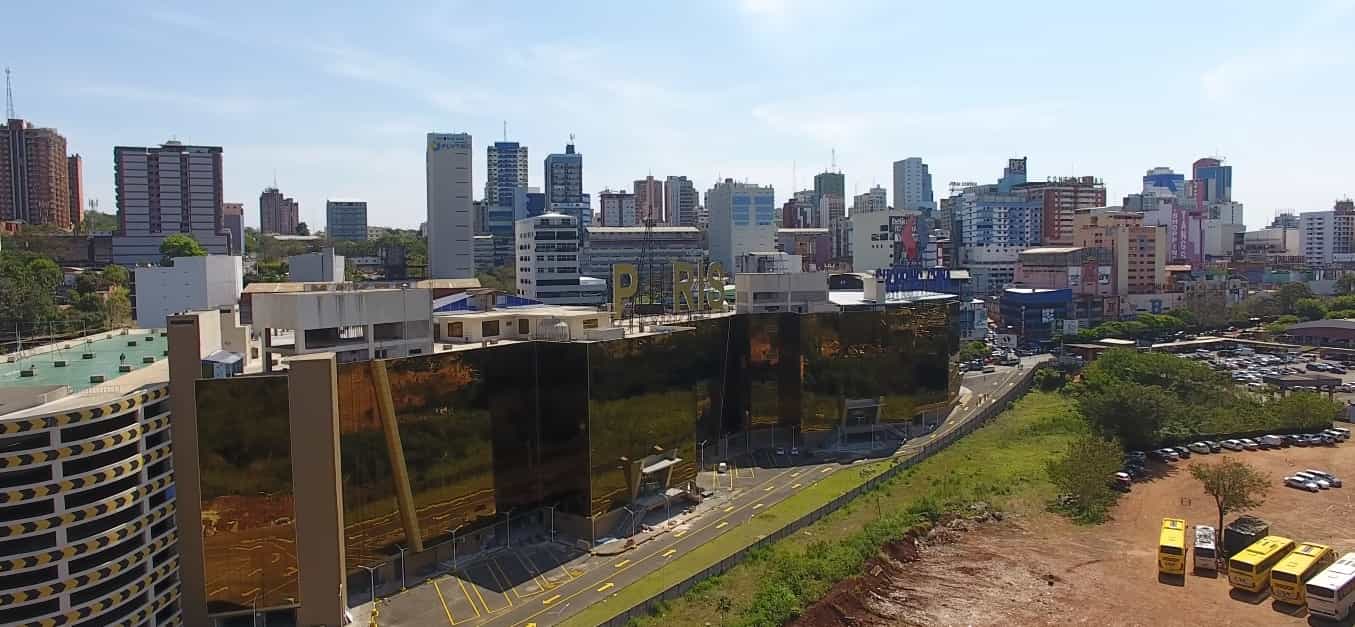
To shop safely in Ciudad del Este, choose established stores that issue an invoice (factura), offer a written warranty, and give…

The allowance is US$500 per person entering Brazil by land, renewed every 30 days. Anything above the limit is taxed at 50% of the…
the border's three cuisines · 12

Foz has dozens of spots with a kids' area in Vila A, Downtown and Av. das Cataratas. A community list, by area, confirm before you…

Yes, you can eat vegetarian and even vegan in Foz do Iguaçu: Cheiro Verde runs a vegetarian buffet downtown, Cantina da Bea serves…

Foz do Iguaçu has specialty coffee roasted on site (Consciência Café and Café Boutique), pastry shops with decades of history…

For a good, cheap lunch in Foz do Iguaçu, head to a 'por quilo' restaurant: you fill your plate at the buffet, it goes on a scale,…

Yes, both parks have restaurants. On the Brazilian side, Cocar (at the entrance) and Canoas Mirim (at the end of the trail) serve…
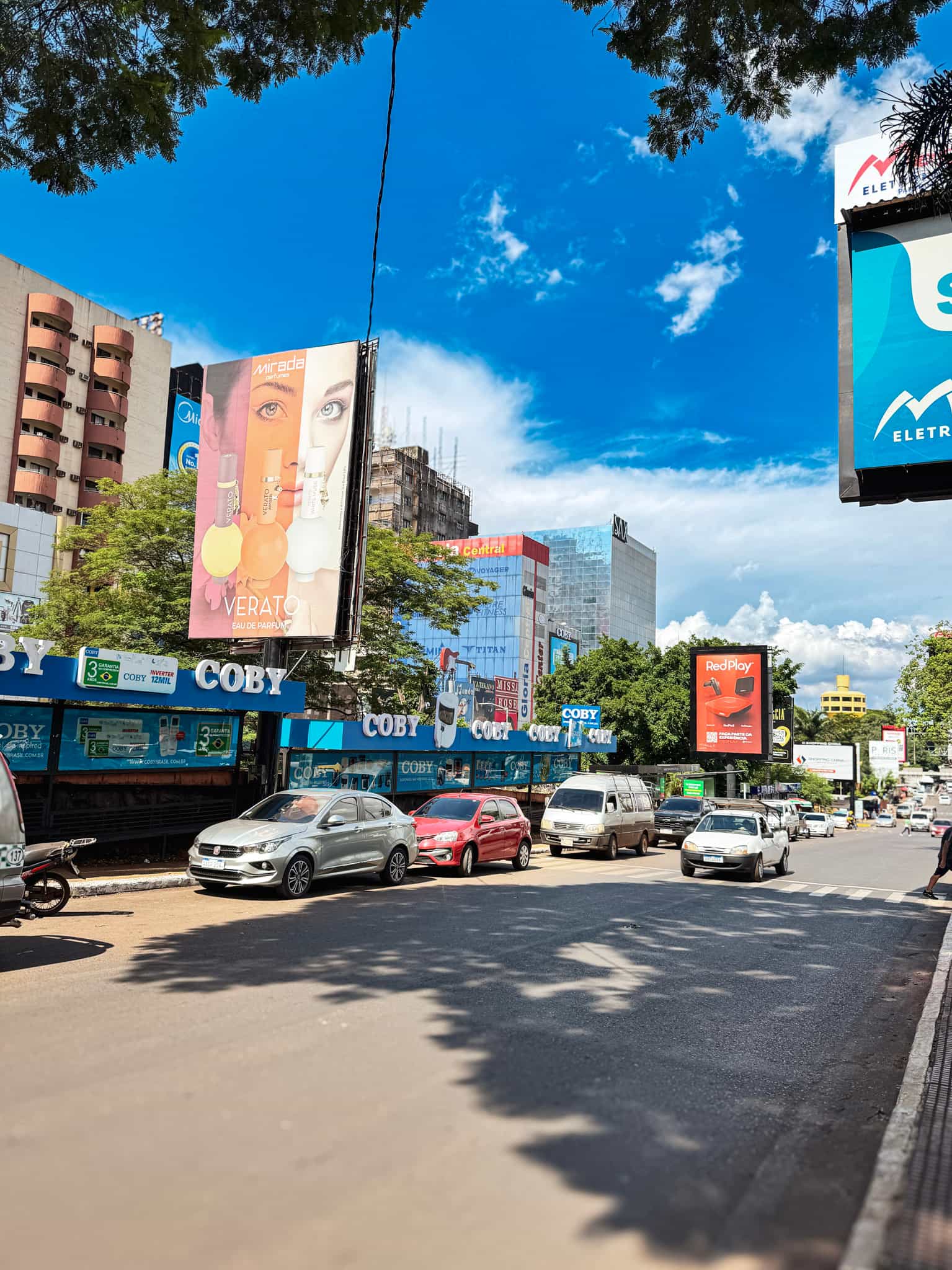
You can eat well in Ciudad del Este without leaving the shopping circuit: the food courts at Shopping China (with Madero and…

Typical Paraguayan food is built on corn and cassava: chipa, sopa paraguaya (a savory cake, despite the name), mbeju, vori vori…

The border serves three cuisines within fifteen minutes' drive. From Paraguay come tereré, recognised by UNESCO, vori vori and…

To eat well in Foz do Iguaçu, start on Avenida Jorge Schimmelpfeng, the downtown dining strip packed with bars, pizzerias and…

Foz do Iguaçu is home to one of Brazil's largest Arab and Lebanese communities, and it shows at the table: esfiha, kibbeh,…

In Puerto Iguazú, on the Argentine side, you eat well right in the centre: most restaurants sit along Av. Córdoba and Av. Victoria…

Foz do Iguaçu has Brazilian steakhouses (churrascarias) for every taste. For the classic all-you-can-eat rodízio, Búfalo Branco…
by area, by budget and inside the park · 5

The most romantic plan on the border is cheap: sunset at the Three Borders Landmark, with all three countries in view, for R$ 60.…

For most visitors, sleeping in Foz and crossing by day is better. Staying in Ciudad del Este pays off in three specific cases, and…

Puerto Iguazú has three accommodation areas with different characters, and the choice comes down to one thing: whether you will…

It is the only hotel inside Iguaçu National Park, and what it sells is not the room: it is seeing the falls early in the morning…

It depends on your travel style: Downtown has the largest cluster of hotels, restaurants, and transit (best if you arrive without…
what customs actually asks for · 9

In Brazil (Foz do Iguaçu), the numbers are 190 (Military Police), 192 (SAMU) and 193 (Firefighters). In Argentina (Puerto Iguazú),…

You cannot simply walk the animal across. You need the International Veterinary Certificate, requested online and issued by…

The ink stamp at the Foz-Puerto Iguazú border is being replaced by a digital record. Argentine Migraciones logs your entry and…

To cross from Foz to Puerto Iguazú for a few hours, no. But the real question is not the one at immigration: it is what happens if…

Brazilians enter Paraguay with a national ID in good condition, the new CIN card or a valid passport. A driving licence does not…

If you are a citizen of a Mercosur or associate country (Argentina, Brazil, Paraguay, Uruguay, Bolivia, Chile, Colombia, Ecuador,…

It depends where you are coming from. Paraguay requires the International Certificate of Vaccination from anyone arriving from a…

Mercosur citizens cross with a national ID; everyone else needs a passport. The common mistake is turning up at the bridge with a…

Yes. The attractions are controlled areas and the classic itinerary is comfortable for families. What needs preparation is not the…
what it costs, how to pay, where to change · 17
Ciudad del Este has many exchange houses in the shopping district. Compare the day's rate, prefer places that post their prices,…

Bosque Guarani is the municipal zoo of Foz do Iguaçu, downtown, with free entry. It opens Tuesday to Sunday from 9:00 to 17:00 and…

Dinosaur Valley sits at Avenida das Cataratas km 14, inside the Dreams Park Show complex, with life-size animated replicas. The…

In all three countries tipping is custom, not obligation. In Brazil a 10% service charge is usually suggested on the bill and can…

Crossing from Puerto Iguazú to Foz and unsure how to pay? Pix now works for Argentine visitors, cards got cheaper without Impuesto…

Foz do Iguaçu's rafting runs down the Iguaçu River rapids inside the National Park, just below the Falls, operated by Macuco. It…

The Kattamaram is a catamaran tour on Itaipu Lake that departs from Porto Kattamaram, in the Itaipu Tourist Complex, in Foz do…
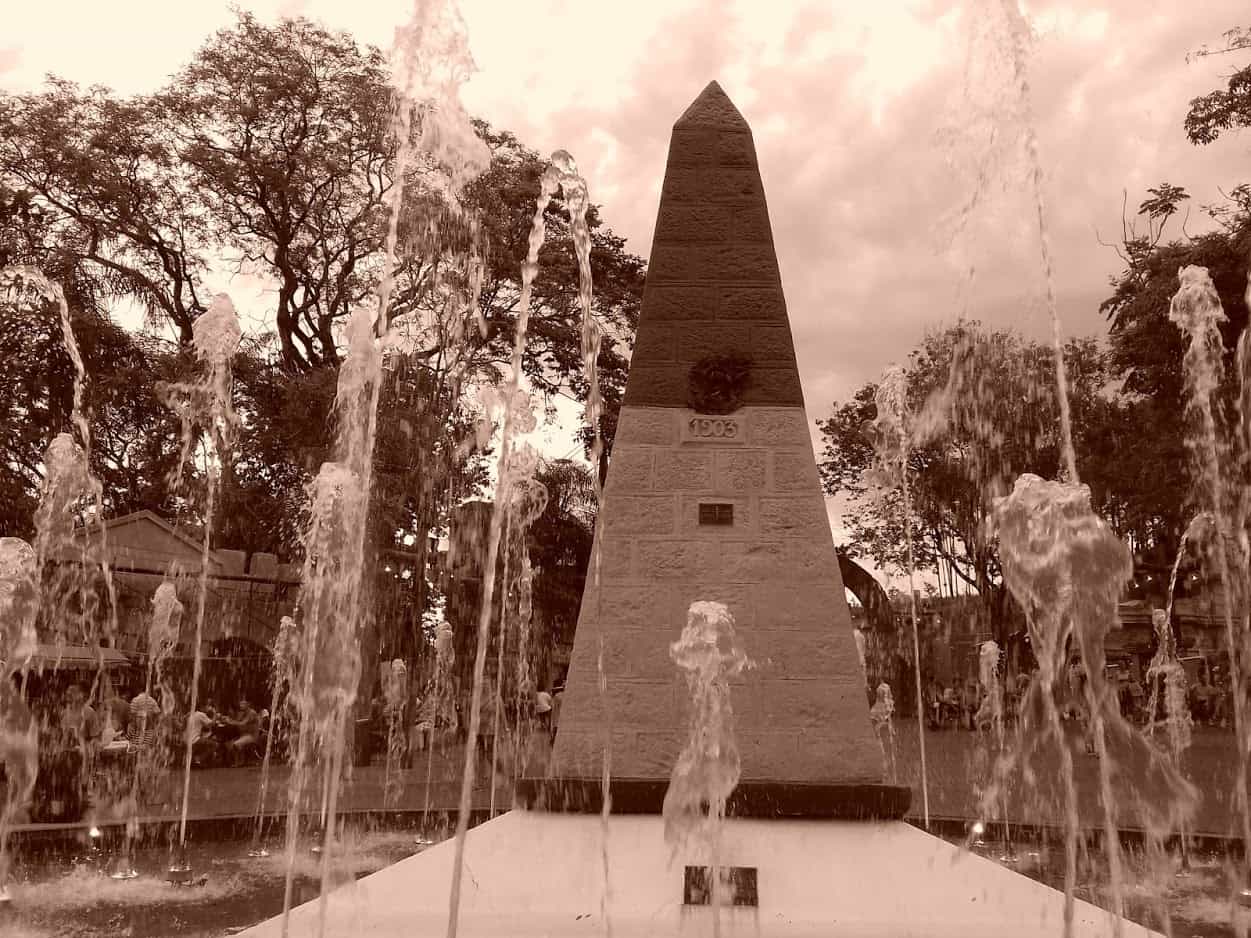
The Brazilian landmark opens Tuesday to Sunday from 2pm to 9pm and costs R$60. It is a late-afternoon outing by design: going in…

The Paraguayan side of Itaipu, in Hernandarias, has a tourist complex with Museo Tierra Guaraní, Tatí Yupí natural reserve and the…

You can cross the border at Foz do Iguaçu with up to US$10,000 in cash (or the equivalent in reais, guaraníes or pesos) without…

For years the rule was to bring cash dollars for Argentina's parallel rate. We track that gap daily, and it has all but…

Tickets are the predictable part of the budget and the only part you can pin down. The classic three-day itinerary, with the…

In Ciudad del Este the payment method changes the final price more than haggling does. Two people buying the same item in the same…

Itaipu offers five tours: Panoramic R$63 (1h10), Special Circuit R$185 (2h30, inside the dam), Bela Vista Refuge R$48, Itaipu…

It depends on the side. In Paraguay the dollar is the currency the shops work in and usually gets the best price. In Argentina it…

Entry to Iguazú National Park costs AR$60,000 for foreigners, AR$25,000 for Argentines, AR$15,000 for students and AR$8,000 for…

The full ticket is R$134 and local residents pay R$26. But the question that causes most arguments at the desk is another one: the…
the dam's tours and what surrounds it · 8

The freshwater beaches of Lake Itaipu are in the towns around the reservoir, not in Foz. Santa Terezinha de Itaipu has an…

The Bela Vista Biological Refuge is Itaipu's protected area open to visitors, with around 200 animals from 50 Atlantic Forest…
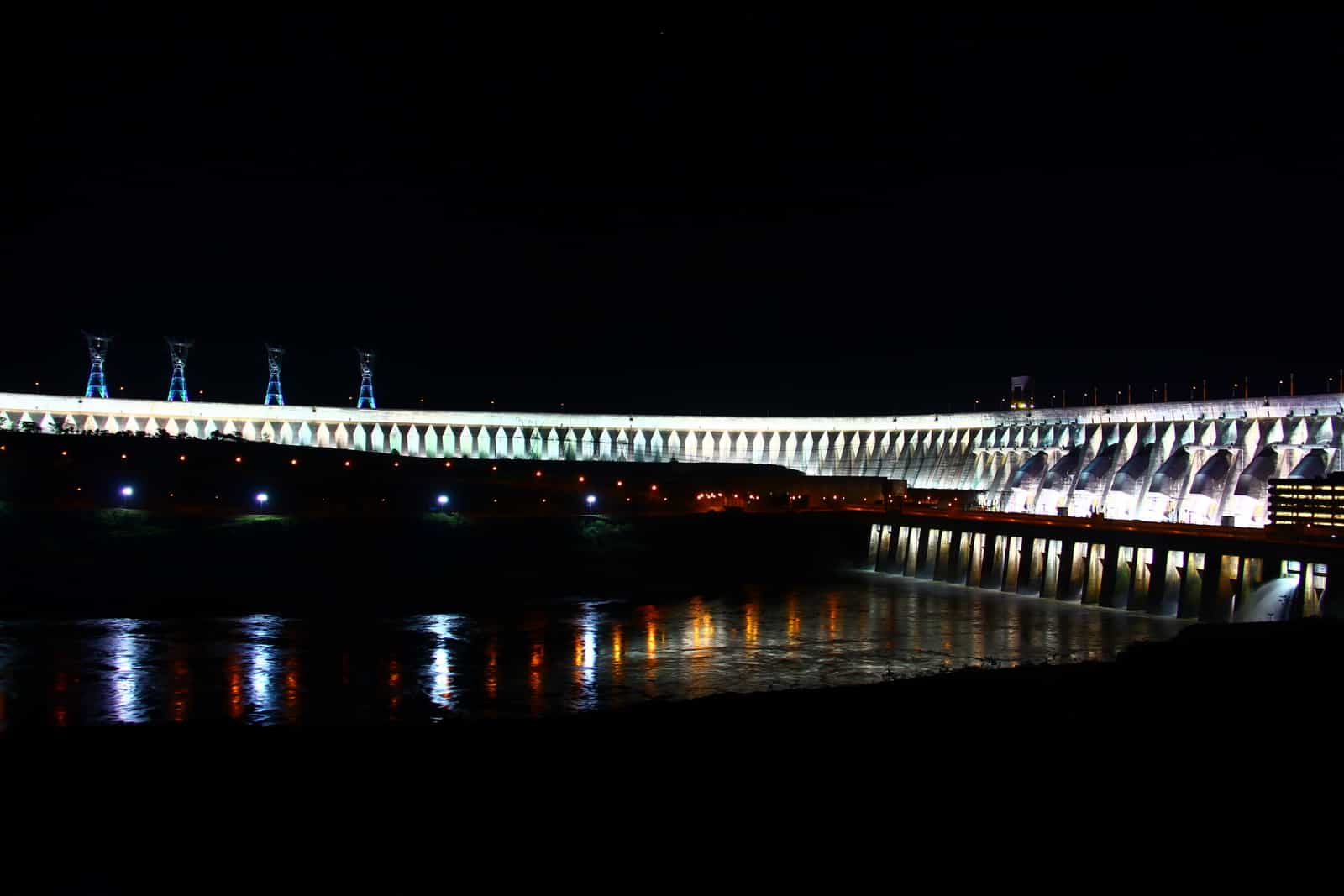
It is not. The last show was on 8 August 2026, and the tour was paused for the lighting system to be modernised. It is expected…
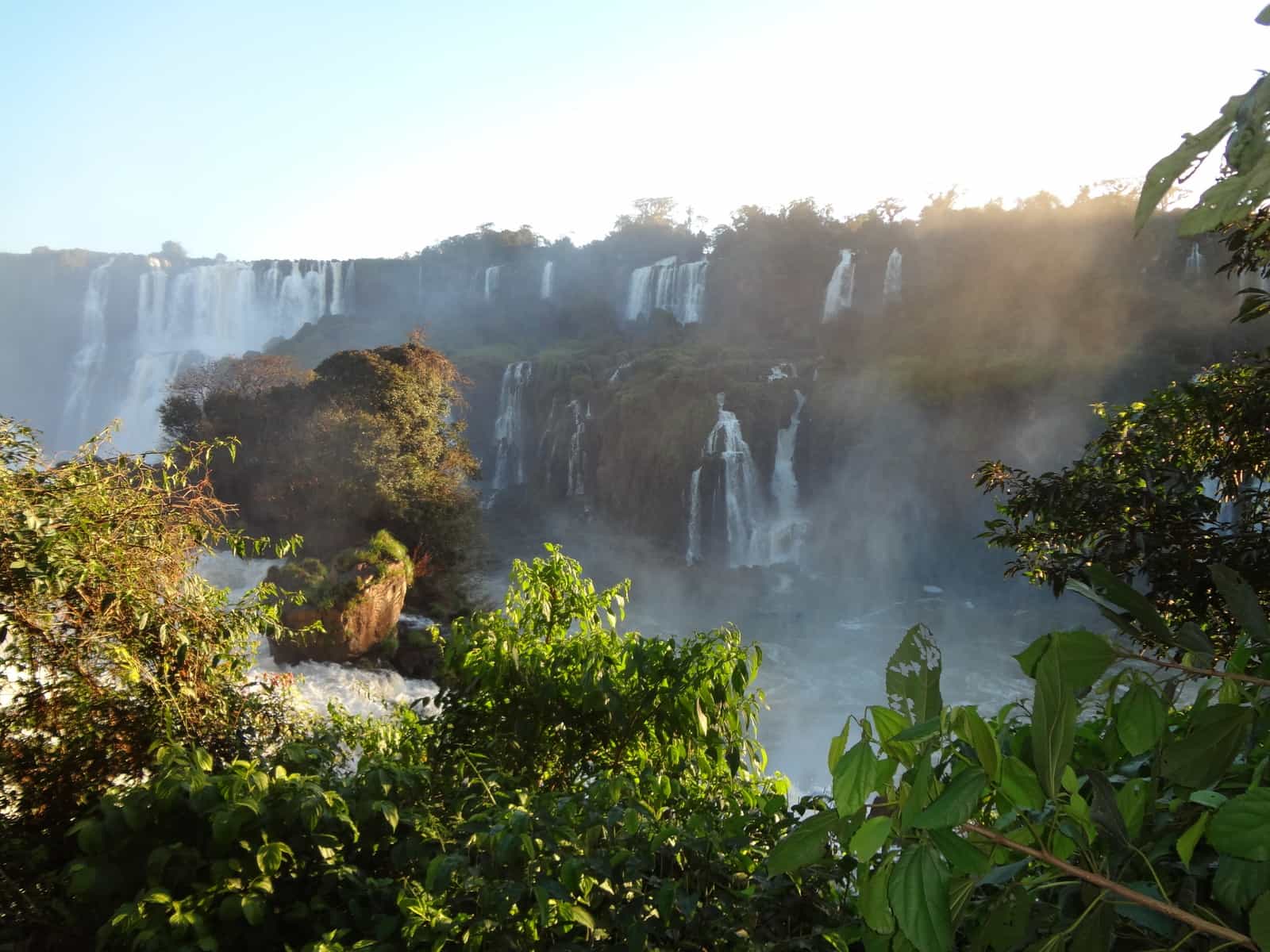
The Triple Frontier is one of Brazil's most accessible destinations, with a paved trail and adapted shuttles. But disability…
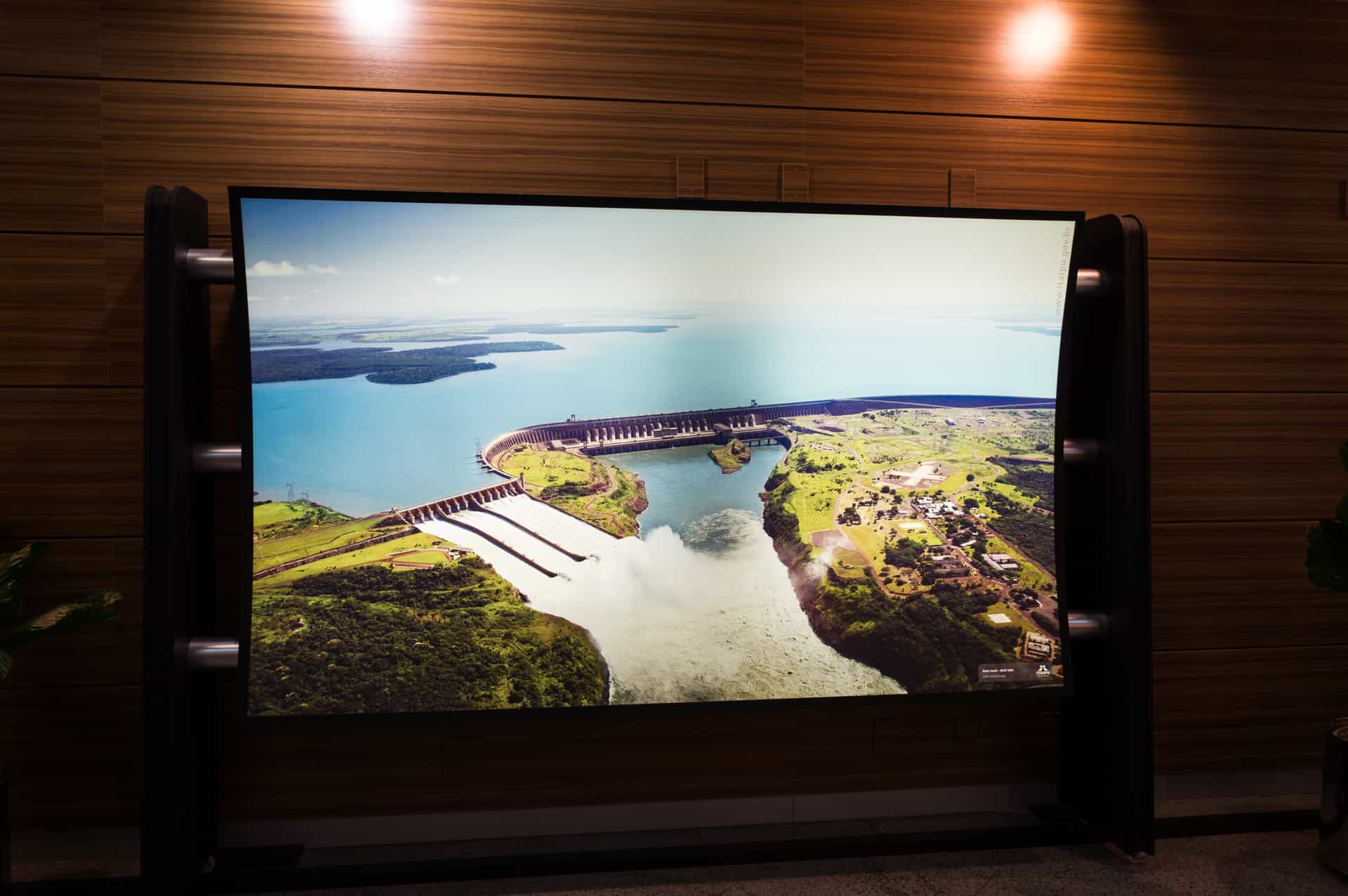
Itaipu is owned in equal parts by Brazil and Paraguay. But the electricity coming out of it is not shared half and half, and that…
Beyond the dam tour, the Itaipu Tourism Complex in Foz do Iguaçu offers three attractions: the Bela Vista Biological Refuge, a…

Yes, you can visit with kids, but one detail matters: the Itaipu Especial tour (the "Special Circuit") that goes inside the dam…
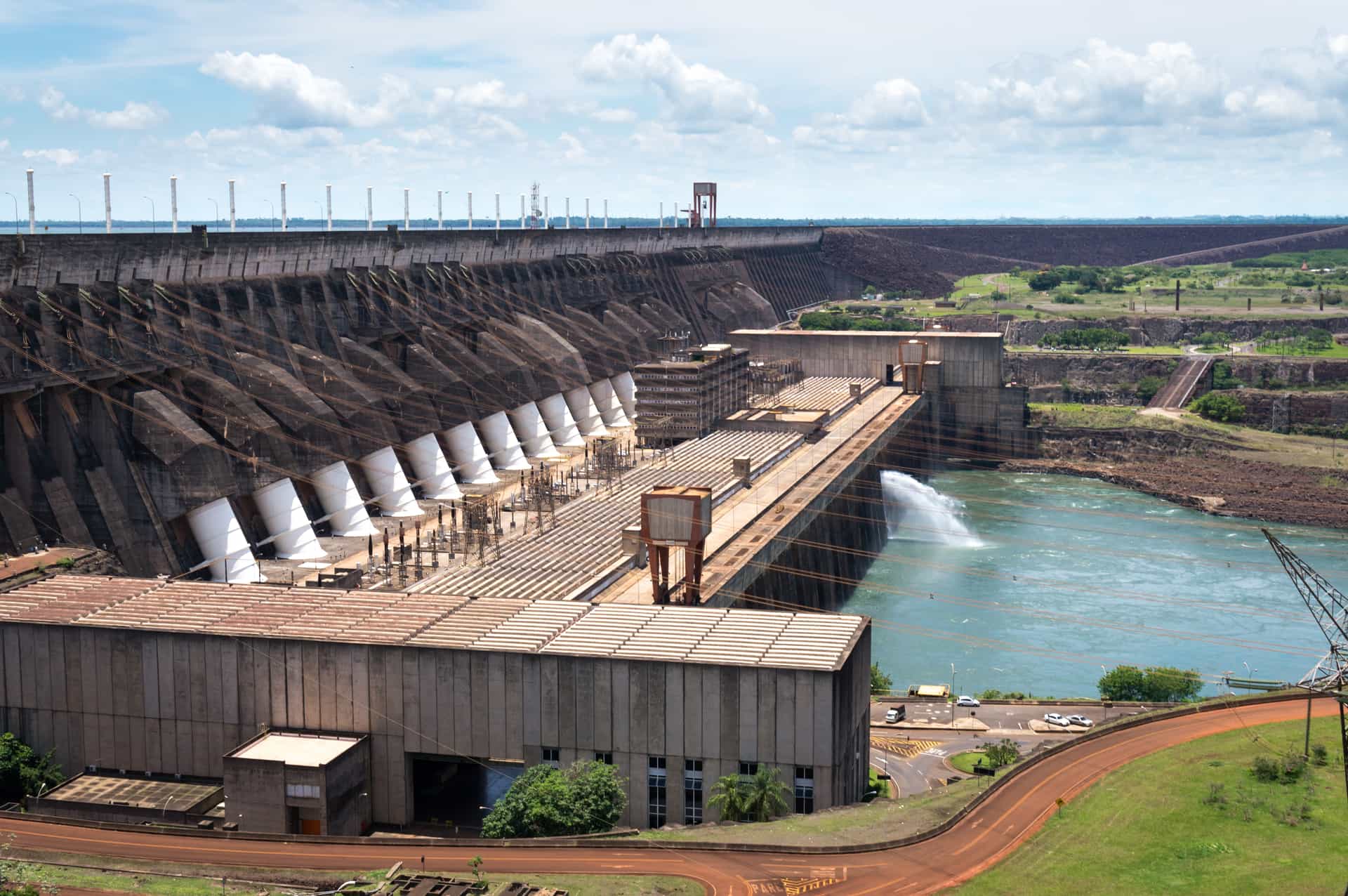
The first departure at 8:30am is the quietest. But for the Special Circuit the issue is not the queue, it is that places are few…
Puerto Iguazú and Ciudad del Este, beyond shopping · 7

Who studies medicine in Ciudad del Este usually chooses to live in Foz do Iguaçu (less than 3 km from the schools, crossing the…
Not always: pump prices swing with the exchange rate and fuel grade. Compare the day's price and add the bridge queue.

Puerto Iguazú has much more than the Falls. In a few kilometers you can visit the three-borders lookout, a native wildlife refuge,…

Argentine visitors enter Brazil with a DNI, pay with Pix from their own digital wallet and qualify for the Mercosur rate at the…

What is there to do in Puerto Iguazú beyond the falls? The Argentine town of the Triple Frontier adds the Hito Tres Fronteras…

The Argentine marker is free and sits a few blocks from central Puerto Iguazú. But anyone hoping to see all three obelisks in one…

Güirá Oga is a bird and rescued wildlife refuge in Puerto Iguazú, on RN 12, about 5 km from downtown. It opens daily, from 9:30 am…
attractions, culture, events and local life · 19
Foz makes a great trip for two: tri-country sunset, the Falls in the best light, dinner on the Argentine side and, on full-moon…

The wax museum in Foz do Iguaçu is Dreamland, located on Av. das Cataratas inside the Dreams Park Show complex. It features over…

June fills Foz with arraiás in neighbourhoods, schools and parishes, with quadrilha dancing, bonfires, mulled wine and traditional…

Attractions run normally over Carnival, and the data undoes the assumption: February runs at 87% of the median visitor month at…

Wonder Park is an entertainment complex on Rodovia das Cataratas, in Foz do Iguaçu, just a few meters from the National Park. It…

To eat pizza in Foz do Iguaçu, the most popular spots are downtown (Centro) and along Avenida República Argentina. You'll find…

To go bowling in Foz do Iguaçu, head to Antonio's Boliche on level L2 of Shopping Catuaí Palladium, on Avenida das Cataratas. It…

Foz do Iguaçu has two movie theaters open: Cine Cataratas, inside Cataratas JL Shopping (downtown), and Cinemark, inside Shopping…

Parque das Aves opens daily, 8:30am to 4:30pm. A tourist ticket runs around R$110, with half price for those entitled and a…

AquaFoz opens daily from 9am to 6:30pm, with last entry at 5pm. A full ticket costs R$150 at the box office or R$135 online in…

The Triple Frontier has a humid subtropical climate (Cfa type), with an annual average around 22°C (72°F) and four well-defined…

Yes: foreigners, including non-resident Argentines and Paraguayans, can buy urban property in Foz do Iguaçu under the same…

Attractions open every day of the year, including 25 December and 1 January. What changes is the crowd: December runs at 122% of…

There is no single rule. At the falls, seniors pay full price. At Itaipu and Parque das Aves there is a half-price rate. Knowing…

The Three Borders Landmark is the classic, with the sun setting over the meeting of the rivers. But it only opens at 14:00 and…

Much of what is written about responsible tourism is generic advice. Here, three rules have regulation behind them: feeding…
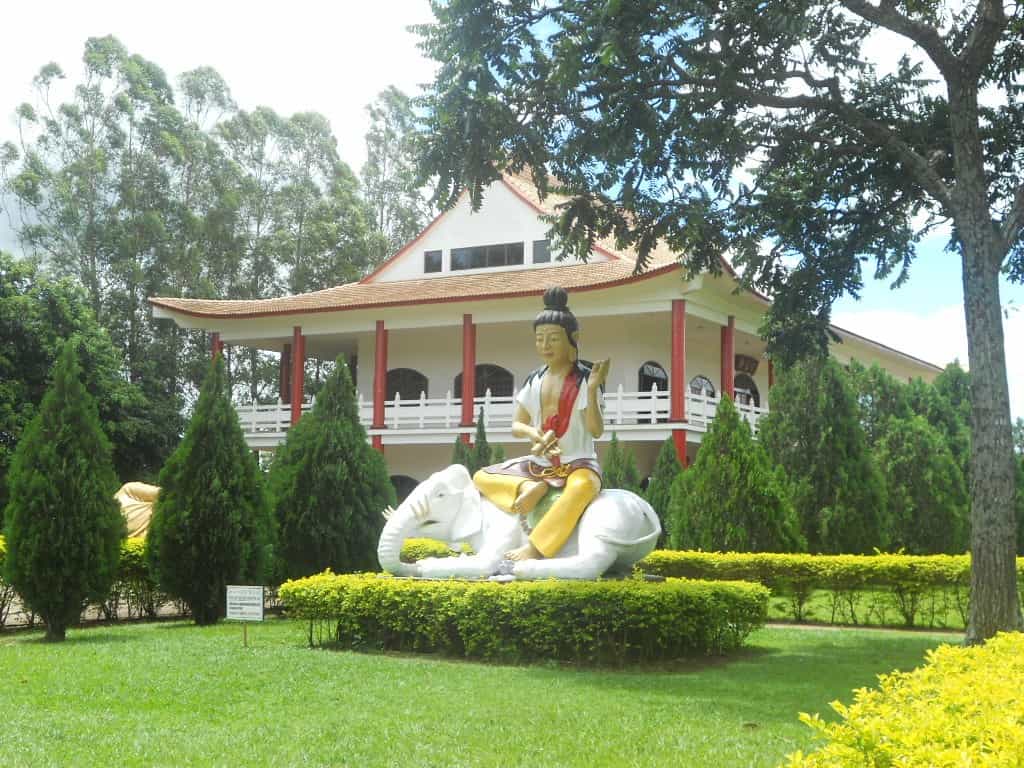
Both visits are free and take about an hour and a half together. The catch is the schedule: the mosque closes on Sundays and does…

Foz's calendar follows a pattern the data reveals: the major events happen in May and June, precisely the lowest visitor months at…

In the border strip your phone latches onto the neighbouring country's tower without you leaving Brazil, and the bill arrives as…